Visit the Port of Rotterdam
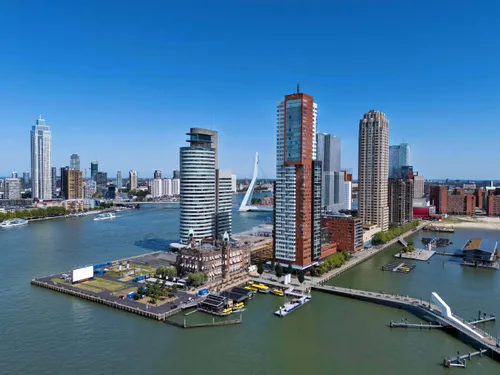
From a small fishing village along the River Rotte to one of the most modern ports in the world: that is Rotterdam. A visit to the port reveals one of the city’s defining forces. You can explore it on a harbour cruise, learn more at Portlantis, or hop on a water taxi to former docklands that have become creative hubs, such as RDM Heijplaat and the M4H district.

The history of the Port of Rotterdam
Around 1250, Rotterdam began it's construction of a dam in the River Rotte. The location proved perfect for the transfer of goods from sea-going ships to smaller boats. Trade flourished, and in 1340 Rotterdam received city rights.
When the Nieuwe Waterweg opened in 1864, the harbour expanded rapidly. In 1962, with the addition of new port areas such as the Botlek, Europoort and Merwe-Vierhavens, Rotterdam became the largest port in the world.
Although other ports have since overtaken it in size, Rotterdam remains one of the world’s most important logistics hubs. Today the focus is increasingly on sustainability, with the aim of making the port climate-neutral by 2050.
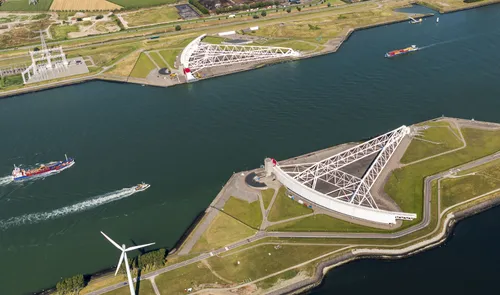
Learn more about the port
Portlantis
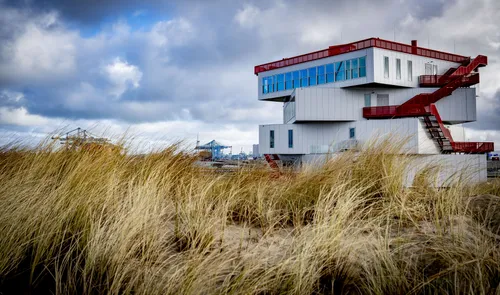
Portlantis is located on Maasvlakte 2, surrounded by container terminals, ships and wind turbines. The striking building is made up of stacked levels that resemble containers. A bright red staircase leads to the rooftop viewpoint, where you can look out across the harbour on one side and the North Sea on the other.
Inside, exhibitions explain how the port works and how goods travel around the world. From here you can also join guided tours and excursions that take you deeper into the harbour area.
Port Pavilion
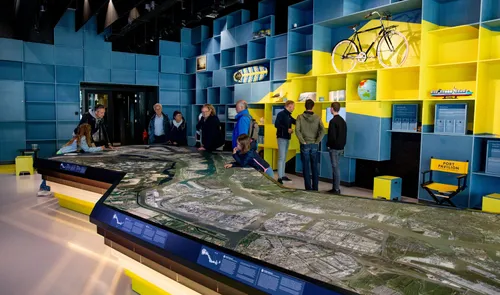
If you are staying in the city centre, Port Pavilion at Leuvehaven is a good starting point for an exploration of the harbour. A large photo model shows cycling routes, viewpoints and attractions across the port area.
The on-site Harbour Hosts are ready to help plan your route, whether you want to take a boat tour, cycle along the docks or simply find a good viewpoint.
Museums about the Port
Interested in learning more about the Port of Rotterdam and the city’s history? Several museums show how shipping, trade and maritime traditions have shaped Rotterdam.
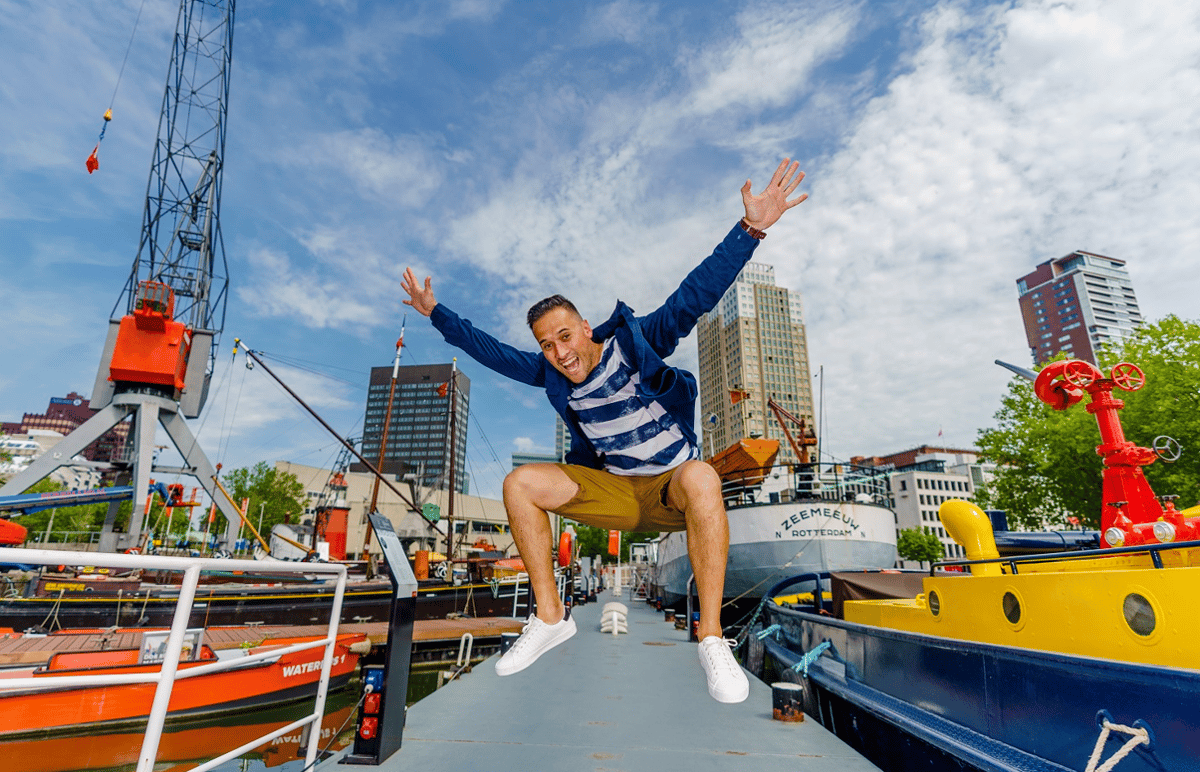
Maritiem Museum Rotterdam
In the Maritime Museum you will discover the enormous influence of the maritime world on our daily lives. The contemporary exhibitions are suitable for big and small adventurers.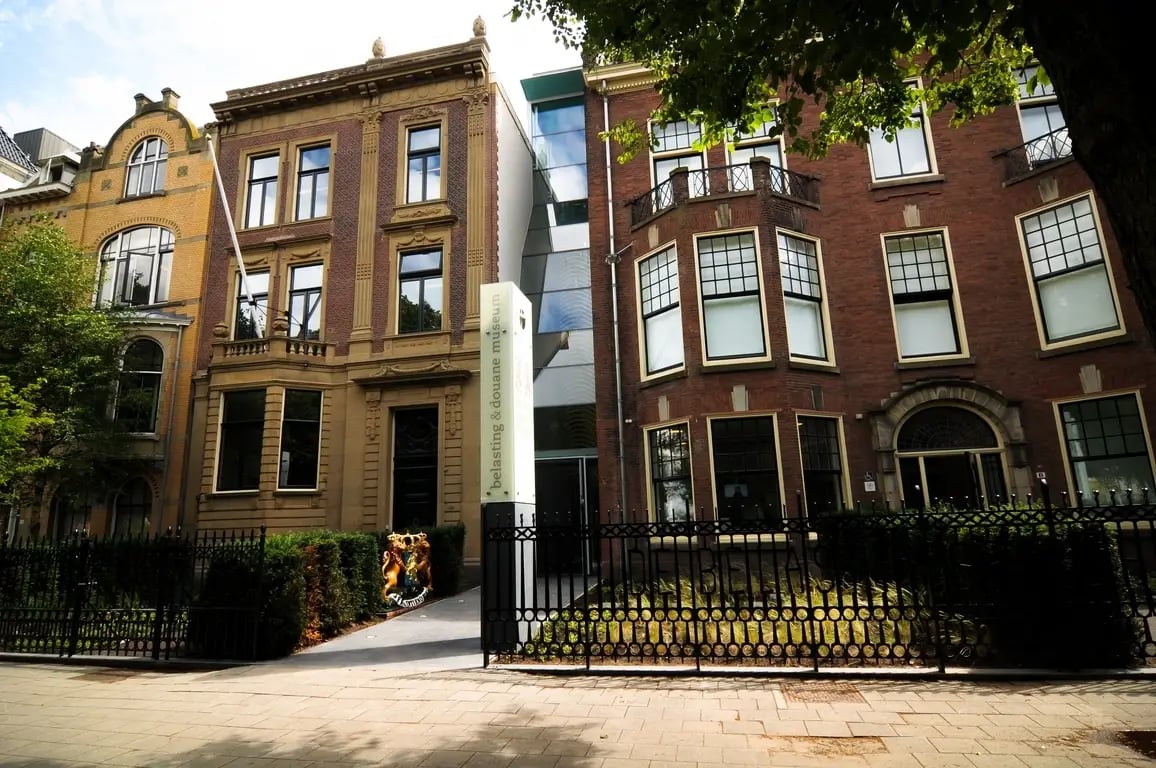
Belasting & Douane Museum
Het Belasting & Douane Museum shows everything about the history of taxes in the Netherlands and the world behind customs. Fun for young and old!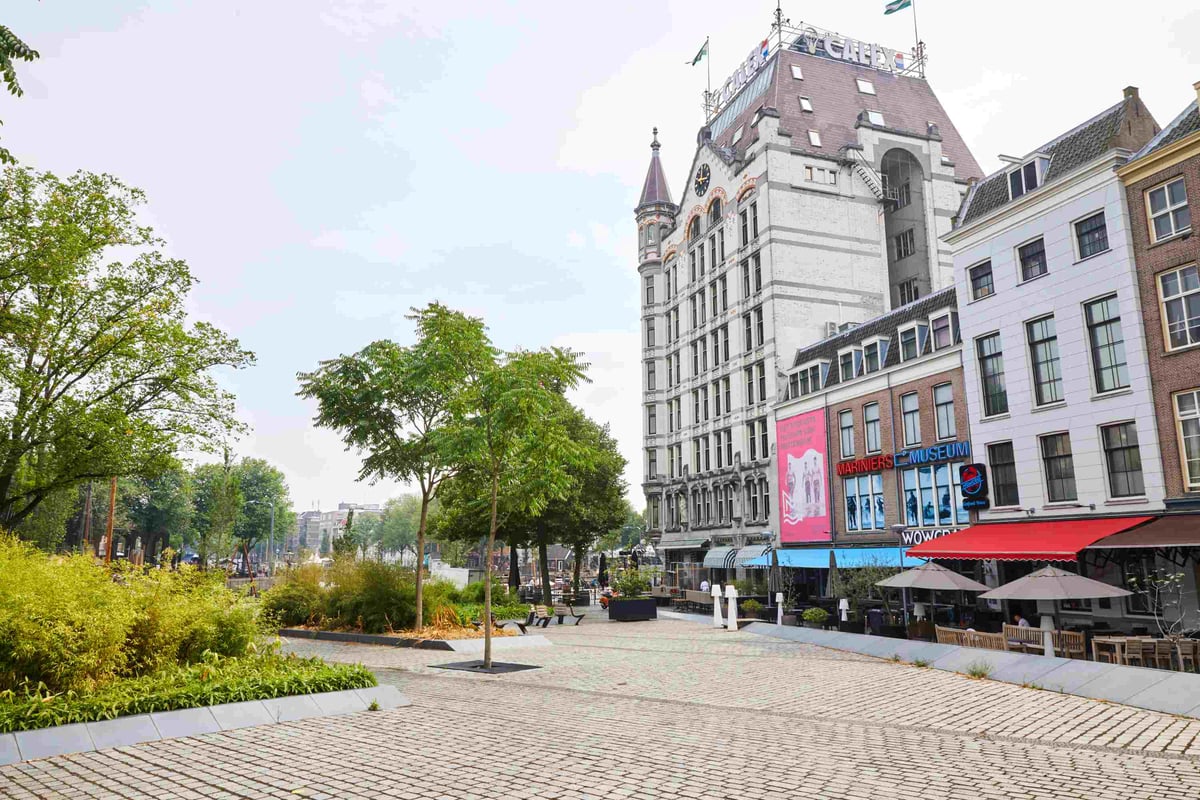
Mariniersmuseum Rotterdam
Special stories and images in the Marine Corps Museum offer a personal insight into the daily life of a Marine.
Boat tours of the Port of Rotterdam
Seeing the harbour from the water gives you a completely different perspective. Several operators offer boat trips through the city and out towards the industrial port areas. A tour by boat is one of the most memorable ways to experience Europe’s largest port.
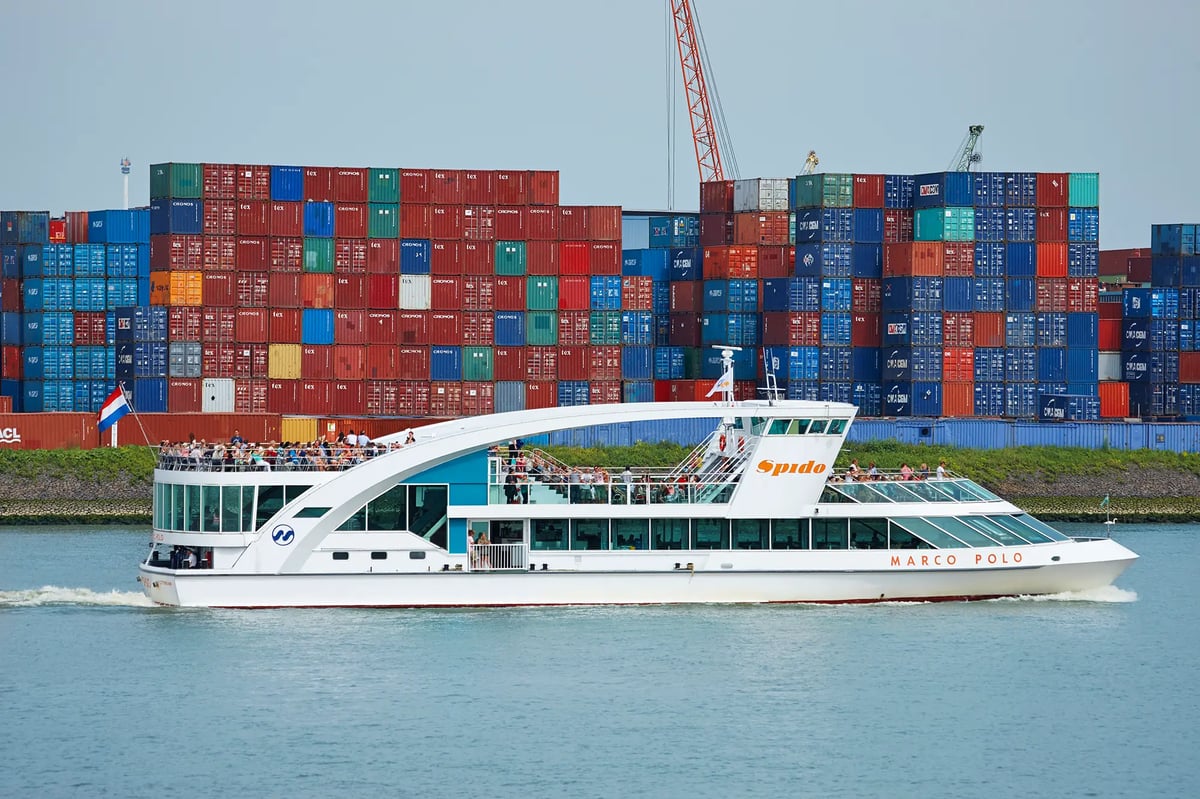
Royal Spido
Watch the Nieuwe Maas for a few minutes and you will almost certainly see a Spido boat pass by. The company has been offering harbour cruises for more than a century. The 75-minute tour gives a quick impression of the port, sailing past highlights such as the Euromast, busy container terminals and the historic ss Rotterdam.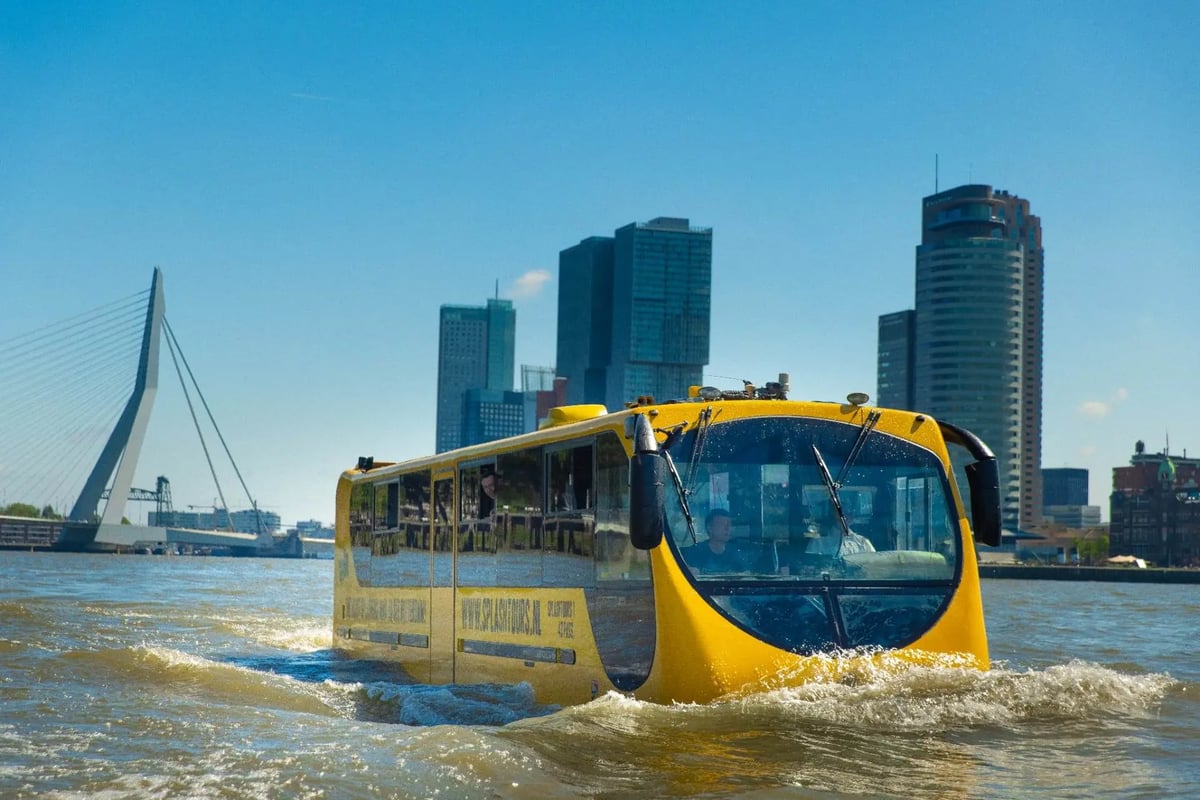
Splashtours
Splashtours starts as a city tour on land before the bright yellow bus suddenly splashes straight into the river. Once in the water, the journey continues as a boat tour while the guide shares stories, facts and anecdotes about Rotterdam and its port.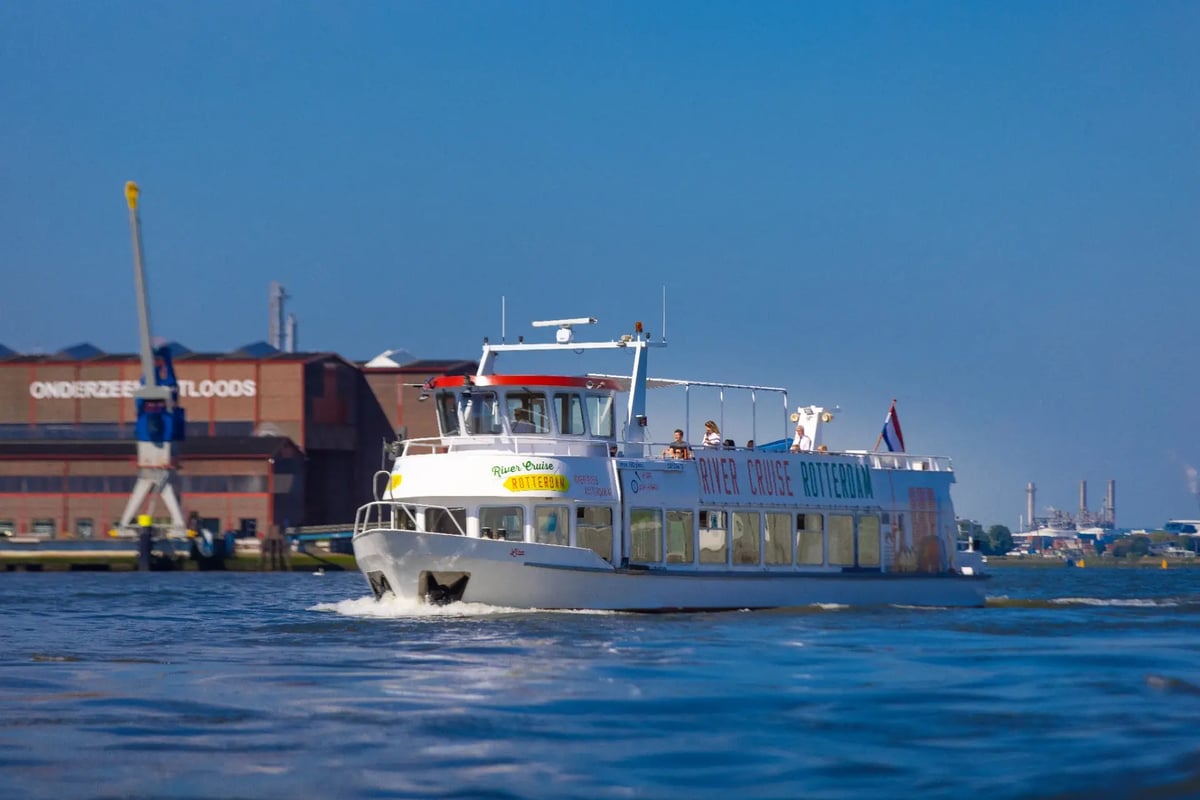
River Cruise Rotterdam
River Cruise Rotterdam offers relaxed boat trips past several of the harbour’s well-known locations, including Waalhaven, RDM Heijplaat and the Maashaven with the ss Rotterdam. On some evenings the cruise is paired with pizza or cocktails on board.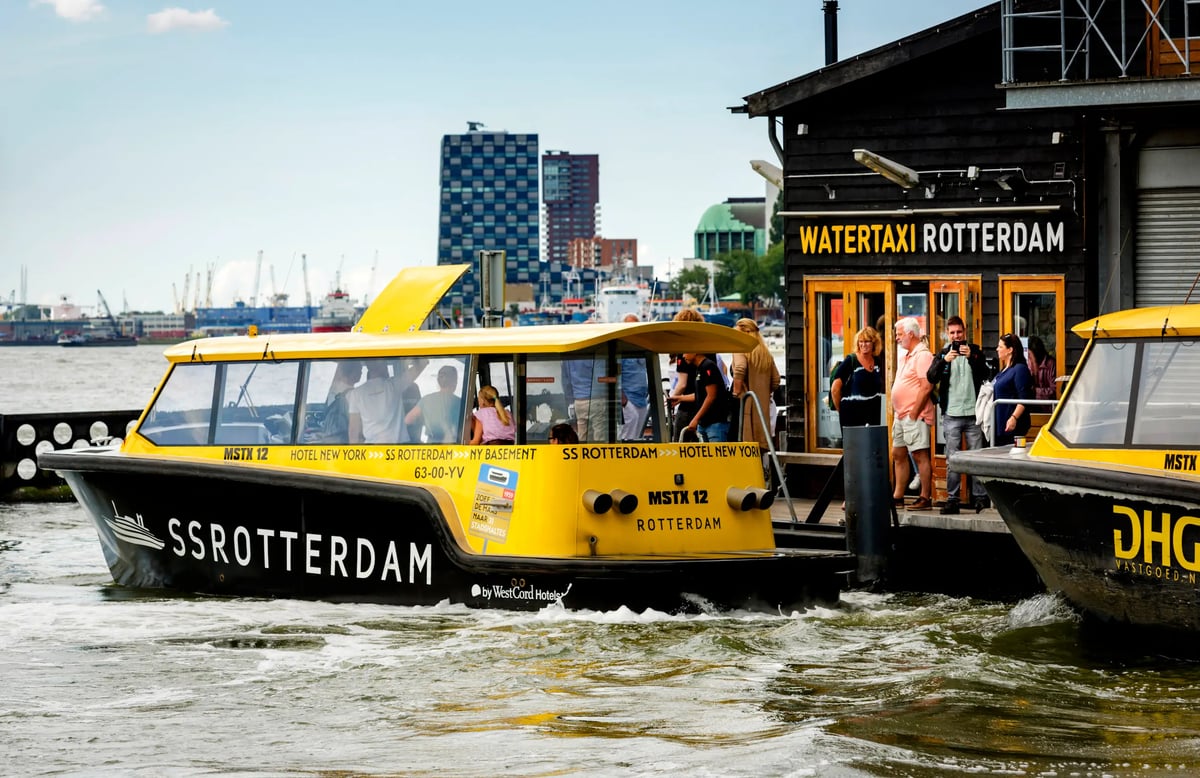
Watertaxi Rotterdam
Few experiences in Rotterdam are as memorable as a ride on the water taxi. The small, fast boats skim across the river and connect around fifty stops across the city. It is a quick and exciting way to travel between waterfront districts while enjoying views of the skyline.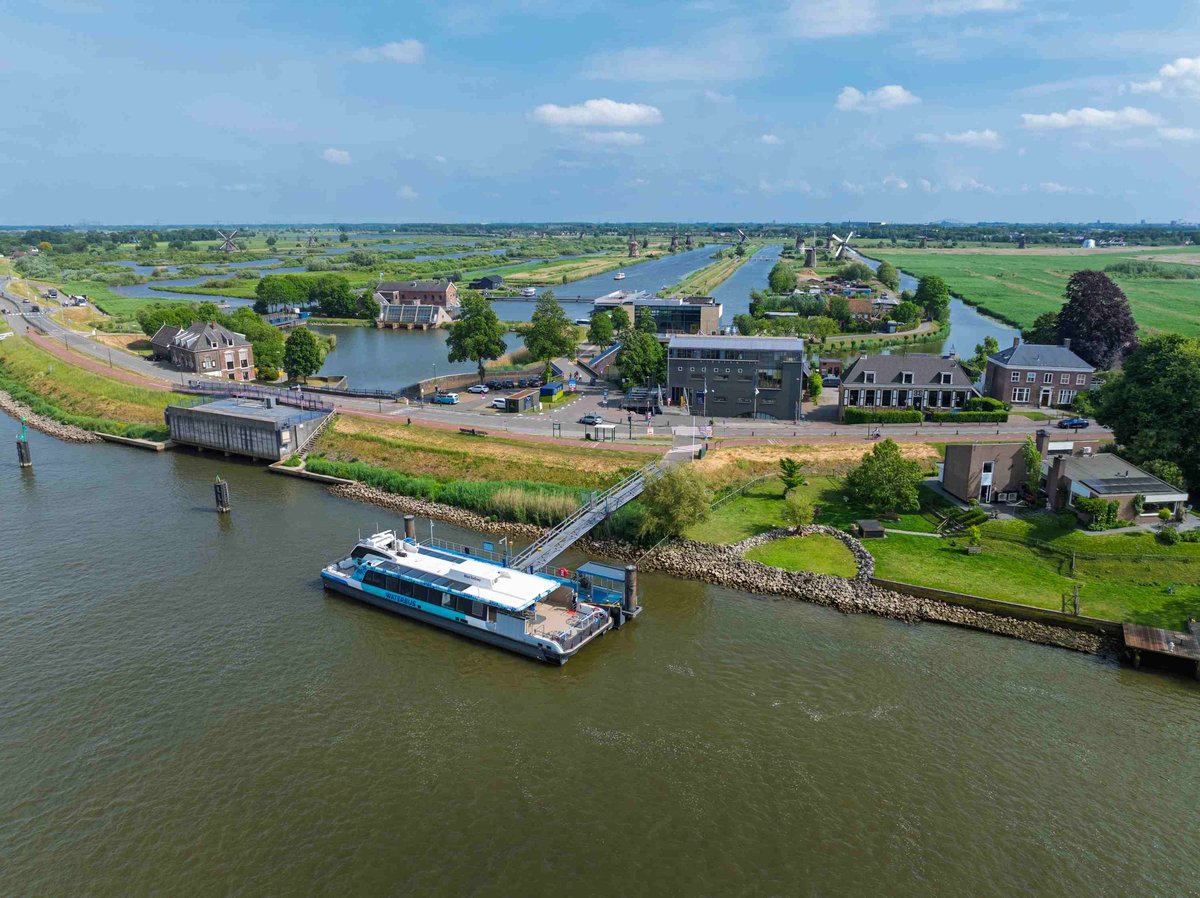
Waterbus
From Portlantis you can join excursions that venture deeper into the industrial harbour. Some combine a short bus ride with a boat trip past the huge container terminals of Maasvlakte 2, offering a closer look at how the port operates.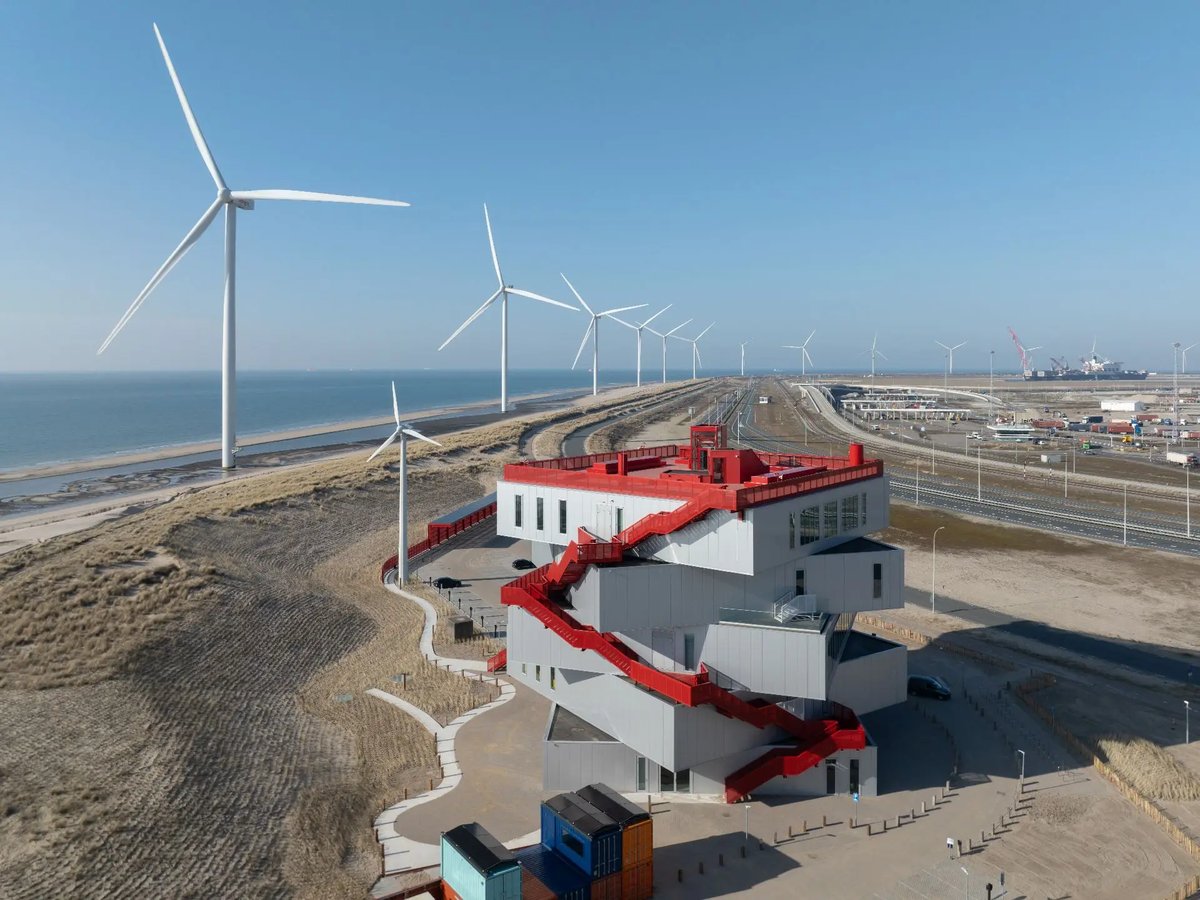
Portlantis
The Waterbus is both public transport and a scenic way to travel. It connects Rotterdam with destinations such as Dordrecht, Ridderkerk and Kinderdijk. Bicycles are welcome on board, making it easy to combine the trip with a ride through the surrounding landscapes. On weekends, the WaterShuttle provides the fastest connection to Kinderdijk.
Restaurants in the harbour
Enjoy something to eat or drink while watching ships pass by on the Nieuwe Maas and across the harbour basins. Throughout Rotterdam’s vast 42-kilometre port area you will find several places where you can stop for a bite and a drink with a view of the water.
De Ballentent
Iconic Rotterdam café on the MaasAt Parkkade you will find the iconic Rotterdam café De Ballentent. From politicians to dockworkers and visitors to the city, everyone comes here for the famous meatballs and the authentic atmosphere. Sit back with a beer and a classic Rotterdam dish while ships pass slowly along the river.Café-restaurant Courzand
Dining in a historic harbour villageIn the historic harbour village of Heijplaat, on the west side of Rotterdam, you will find café-restaurant Courzand. Here you can enjoy lunch or dinner in an Art Deco interior. Tip: the most fun, and fastest, way to reach Heijplaat is by water taxi.Smickel-Inn Balkon van Europa
Eating in the middle of the harbourOn Maasvlakte you will find Smickel-Inn Balkon van Europa, perhaps the most unusual snack bar in the Netherlands. Located right in the harbour area, between wind turbines and overlooking the North Sea, you can enjoy fries with a croquette or frikandel while ships pass by.Portlantis
Restaurant with views of the harbourThe Portlantis experience centre on Maasvlakte 2 also has a restaurant. Located on the fourth floor of the building, it offers spectacular views across the harbour. Even without an entrance ticket you can stop by for breakfast, lunch or coffee with something sweet.
Cycling and walking in the Port of Rotterdam
The port area offers more than 175 kilometres of cycling paths, and walkers will also find impressive routes. Along the way, industrial landscapes alternate with surprisingly green nature areas.
The Harbour Hosts at Port Pavilion and Portlantis are happy to help you choose a suitable route. You can also plan your own using the ANWB cycling junction planner.

Nature in the port
Despite its heavy industry, the port is also home to a surprising amount of nature. Areas such as the Krabbenterrein, Paddenpoelen, Vogelvallei and Geuzenbos provide habitats for seals, bats and Scottish Highland cattle. Rare orchids and protected plant species also grow here.
The Port of Rotterdam website offers an interactive map showing the nature areas located within the harbour.

More ways to explore the port
Ship spotting
Tankers, container ships, drilling platforms and cranes create a constantly changing harbour scene. One of the best places to watch them is Slag Maasmond, the entrance to the port where around 30,000 sea-going vessels pass each year.
The Noorderpier in Hoek van Holland also offers impressive views of the harbour entrance and the Maasvlakte terminals. From Landtong Rozenburg, a nine-kilometre peninsula, you can look out over the Nieuwe Waterweg and the Caland Canal.
If you prefer to stay in the city, walk along the Boompjes, Westerkade or Parkkade. From these riverside promenades you can watch large container ships passing along the Nieuwe Maas. During cruise season, ocean liners regularly dock at the Wilhelminakade.
For another perspective, head to Dakpark in Rotterdam-West, which overlooks the former fruit harbour and the M4H district. In summer, Vlaardingen even opens a temporary beach along the Maas.
More inspiration:

Day trips in the Rotterdam area
Rotterdam is a vibrant city with plenty of things to do, and the perfect base for day trips. Visit the iconic windmills of Kinderdijk, the dunes and Maeslantkering in Hoek van Holland, or the colorful flower fields of Keukenhof. Nearby cities rich in history and culture are also within easy reach. The surrounding area offers something for everyone!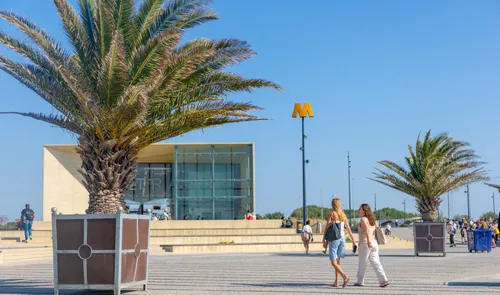
Discover Hoek van Holland
Hoek van Holland, an area of Rotterdam, is a versatile coastal town where you can fully enjoy the beach, the sea and the port. You can relax and sunbathe or take a walk. And for those who prefer to feel the wind, it's also perfect beach weather even with a brisk, fresh wind! But Hoek van Holland offers more than just nature: as you stroll, you’ll uncover its rich history, reflected in statues and monuments. To top it off, you can admire the region’s most impressive ‘work of art’: the Maeslantkering.
Rotterdam: City of Architecture
The story of Rotterdam, its history, the bombing, and the reconstruction, reveals the city's fertile ground for bold architecture. When everything is lost, why not rebuild on a grand and impressive scale? The courage displayed in both design and the commissioning of architects is evident throughout Rotterdam.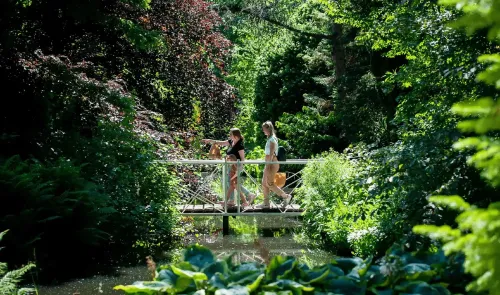
Nature in Rotterdam: discover the city’s green escapes
Nature in Rotterdam? Absolutely. The city and its surroundings are rich in green spaces, making it easy to balance cultural highlights with time outdoors. Cycle along the River Maas, wander through woodland or take a refreshing dip at one of the city’s beaches.