Convergence of Erasmus University Rotterdam, Erasmus MC and TU Delft
The Convergence alliance unites three top institutes in Rotterdam to tackle complex challenges through interdisciplinary collaboration and innovation.
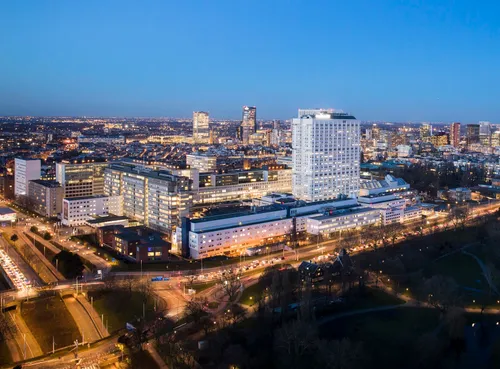
Recent geopolitical and health crises have highlighted the fragility of societal stability and the interconnected nature of complex challenges. Addressing these issues requires a holistic, interdisciplinary approach that fosters new knowledge, innovative collaborations, and proactive partnerships. In response, three leading educational and research institutes in the greater Rotterdam region have formed the Convergence alliance. This strategic partnership aims to transcend institutional and disciplinary boundaries, offering fresh perspectives and pioneering solutions to address society’s most pressing challenges.
The Convergence of Erasmus University Rotterdam, Erasmus Medical Centre and TU Delft was officially launched with the signing of a Framework Agreement in July 2021. The goal was then as it is now: to combine strengths, knowledge and methods to address issues related to climate change, sustainability, pressure on the healthcare system, urbanisation and digitalisation. The collaboration is further enhanced by the participation of other academic, public and private partners, as well as the municipalities of Rotterdam and Delft.
Using the region as living lab, the Convergence creates a leading research and innovation ecosystem in South Holland, with great (inter)national appeal and ambitions. The three main themes around which the Convergence is centred, are Resilient Delta; Health & Technology; AI, Data & Digitalisation.
Future-proofing healthcare
The Convergence is more than an academic matter. In a broader sense, it contributes to social innovation. This became apparent in July of this year, when an announcement was made that ten flagship projects of the Convergence will conduct research aimed at future-proofing healthcare, with 20 million euros funding from the Convergence Health & Tech program, and collaboration with public and private parties adding an extra 40 million euros. These investments in joint research are a solid step forward in the collaboration between the three institutions. Hundreds of scientists and dozens of societal stakeholders are joining forces to find innovative solutions to problems facing healthcare. The flagship projects range across a wide range of healthcare related topics, including integrative neuroscience, proactive technology-supported prevention and mental health in adolescence, organ transplantation, personalized real-time health impact of climate change and pollution and more.
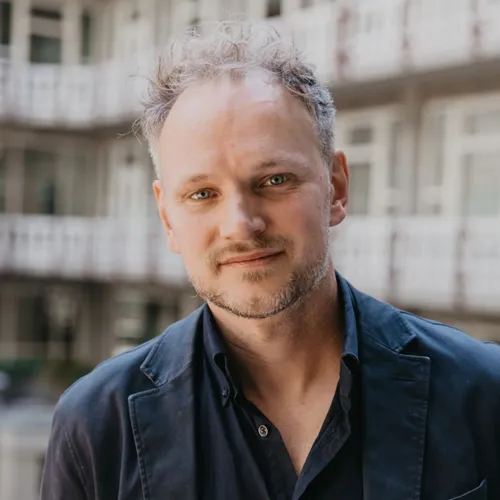
“To make healthcare future-proof, upscaling is necessary. That's what Convergence is doing.”- Floris Italianer, director of Convergence.
Working on a vital, knowledge-driven region
Also in July of this year, the Resilient Delta Initiative and Rotterdam University of Applied Sciences signed a Memorandum of Understanding, meaning that the Convergence partners will collaborate more intensively on the development of a vital, knowledge-driven region. This collaboration will involve existing initiatives such as the SPRING health and wellbeing project and the Child Poverty project, but also expand to new projects. These include Living Labs, joint knowledge centers and consortia around the themes of citizenship, living environment & equal opportunities, methodologies regarding research and practice and challenges related to urban climate and urban ecology.
Image credits: Erasmus MC.
Driving innovation in data and AI
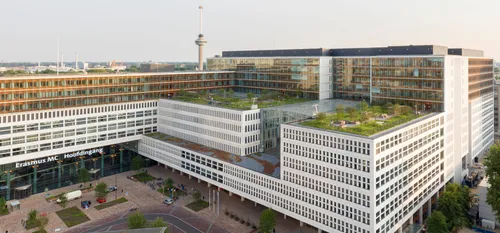
Progress is also visible in the field of AI, Data & Digitalisation. October of 2021 saw the opening of the Erasmus Data Collaboratory hub. This is an inclusive, open learning environment for data and AI situated at the Erasmus University campus. Here everyone can think, work, learn and invent together in the field of data and AI. The physical EDC hub has space and facilities for hands-on action learning, action research, experimentation, and valorisation. It facilitates the complete data science cycle, from data engineering to data analysis and including data visualization.
Image credits: Alexander Santos Lima.

“This is just the first step. In the intersection between technology, socio-economic and medical sciences, we are and can be a greater leader. And because of this space it will only grow.” - Ed Brinksma, chairman of the EUR Executive Board.
Preparing for future pandemics with the PDPC
Also as part of the Convergence and in answer to better prepare society for future pandemics and disasters, Erasmus MC, TU Delft and Erasmus University Rotterdam have joined forces in the Pandemic and Disaster Preparedness Center (PDPC). The PDPC aims to reduce vulnerabilities and risks and build resilience through effective disaster prevention, preparedness and recovery measures.
The recent Covid-19 crisis demonstrates how vulnerable our society has become to disasters. Due to climate change and globalization, our society can expect many more unforeseen virus outbreaks and extreme events. Densely populated areas and urban deltas are at additional risk of disruptive events such as a rise in sea levels and extreme weather events. To prepare for future pandemics and disasters, we need to build, test, and implement innovative models that combine knowledge and field data from various sources and scientific disciplines. This is precisely what the PDPC aims to achieve.
The Rotterdam way
The Convergence of knowledge, research, capacity and the interdisciplinary approach of the three top knowledge and research institutes is a major step in being able to come up with creative solutions to large, complex social issues. It’s also a shining example of the Rotterdam way of coming together, thinking outside of the box, exploring new ways and tackling challenges head-on, trying to come up with creative solutions. If you want to know more and stay up-to-date on all the latest developments, please monitor the Convergence website.




Get in touch
For more information, reach out to: